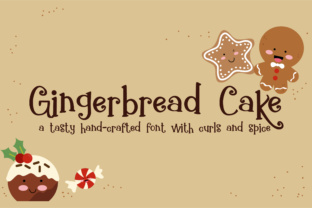
Gingerbread Cake Font: A Warm Typeface for Branding
It was a rainy Tuesday afternoon when I sat down with a local artisan candle maker to review her upcoming holiday packaging. She had spent months perfecting her soy wax blends and curating unique scent profiles, but her labels felt disconnected from the warmth of her product. They were clean, yes, but they lacked soul. We needed a typeface that could bridge the gap between professional polish and handmade charm. That is when we pulled up Gingerbread Cake, a hand-crafted font from Script Amp that immediately changed the trajectory of her brand identity.
While the name might suggest a seasonal limitation, this premium font proves that warmth and personality are not reserved for December. In the world of small business branding, typography is often the silent ambassador of your values. It tells customers whether you are rigid and corporate or approachable and artisanal. Here is why Gingerbread Cake has become a staple in my design toolkit for clients who want to look polished without losing their human touch.
Beyond the Holiday Hype
The first thing you notice about Gingerbread Cake is its organic flow. It is a script font that mimics the natural rhythm of handwriting, complete with delightful curls and spice-inspired flourishes. However, unlike many decorative fonts that sacrifice legibility for style, this typeface maintains a surprising level of clarity. The letters connect smoothly, creating a cohesive visual line that draws the eye across the text.
For business owners, the fear of using a handwritten font is often rooted in readability concerns. Will customers be able to read my product name? Will it look messy on a small label? Gingerbread Cake addresses these concerns by balancing whimsy with structure. The strokes are consistent, and the spacing feels intentional rather than chaotic. This makes it an excellent choice for logo design where you want to convey creativity and care. It signals to the customer that a human hand was involved in the creation process, which is a powerful trust signal in today’s automated market.
Real-World Applications for Small Businesses
When we applied Gingerbread Cake to the candle maker’s labels, the transformation was immediate. The font’s curly terminals softened the starkness of the minimalist layout, adding a layer of elegance that felt both upscale and inviting. But its utility extends far beyond candle jars. Here is how I recommend integrating this creative font into various aspects of your brand identity:
- Packaging Design: Use it for product names on bakery boxes, skincare bottles, or boutique clothing tags. The font’s personality adds perceived value to the unboxing experience.
- Social Media Graphics: It works beautifully for Instagram story headers or Pinterest pin titles. When paired with high-quality photography, it creates a cohesive aesthetic that stops the scroll.
- Printed Materials: From thank-you cards included in shipments to menu boards in cafés, Gingerbread Cake adds a personal touch that standard sans serif fonts often lack.
- Web Design: Use it sparingly for website banners or hero section headlines to create a warm first impression for visitors landing on your online shop.
The key is consistency. By using the same display font across your digital ads, physical packaging, and email newsletters, you build a recognizable brand identity. Customers begin to associate those specific curls and curves with your quality and service.
Pairing and Readability Strategies
One of the most common mistakes I see entrepreneurs make is overusing decorative typography. Gingerbread Cake is a statement piece; it should not compete with other loud elements. To keep your designs looking professional and easy to digest, pair it with a clean, neutral counterpart. A modern sans serif font works best for body text, providing a stable foundation that lets the script shine. Alternatively, a classic serif font can add a touch of traditional elegance if you are aiming for a more vintage or literary vibe.
Readability is crucial, especially on small surfaces like product labels or mobile screens. I always advise testing your design at actual size before printing. If you are using Gingerbread Cake for a skincare label, ensure the font size is large enough for the intricate details to remain clear. Avoid using it for long paragraphs or legal disclaimers. Instead, reserve it for headlines, short phrases, and decorative accents. This strategic use ensures that your brand identity remains accessible while still being visually engaging.
Technical Considerations for Commercial Use
Before committing to any commercial font, it is essential to understand the technical specifications. Gingerbread Cake comes with various features that enhance its versatility. Check for included styles, such as regular or bold weights, which can help create hierarchy within your designs. Look for alternates and ligatures, which allow you to customize the connection between letters for a more unique look. These design assets give you the flexibility to tweak the font to fit specific spatial constraints or aesthetic preferences.
Additionally, verify the file formats provided. Standard formats like OTF and TTF ensure compatibility with most design software, from Adobe Illustrator to Canva. If you plan to use the font on your website, check if webfont files are included or available for purchase. Most importantly, review the licensing agreement. Ensure that the license covers your intended use, whether it is for physical products, digital downloads, or client work. Protecting your business from copyright issues is just as important as choosing the right visual style.
In the end, Gingerbread Cake is more than just a collection of letters; it is a tool for storytelling. It helps small business owners communicate warmth, craftsmanship, and attention to detail without saying a word. Whether you are refreshing your café menu, designing new product labels, or updating your online shop banner, this modern typography option offers the perfect blend of spice and sophistication. It reminds us that even in a digital world, the human touch remains our most valuable asset.